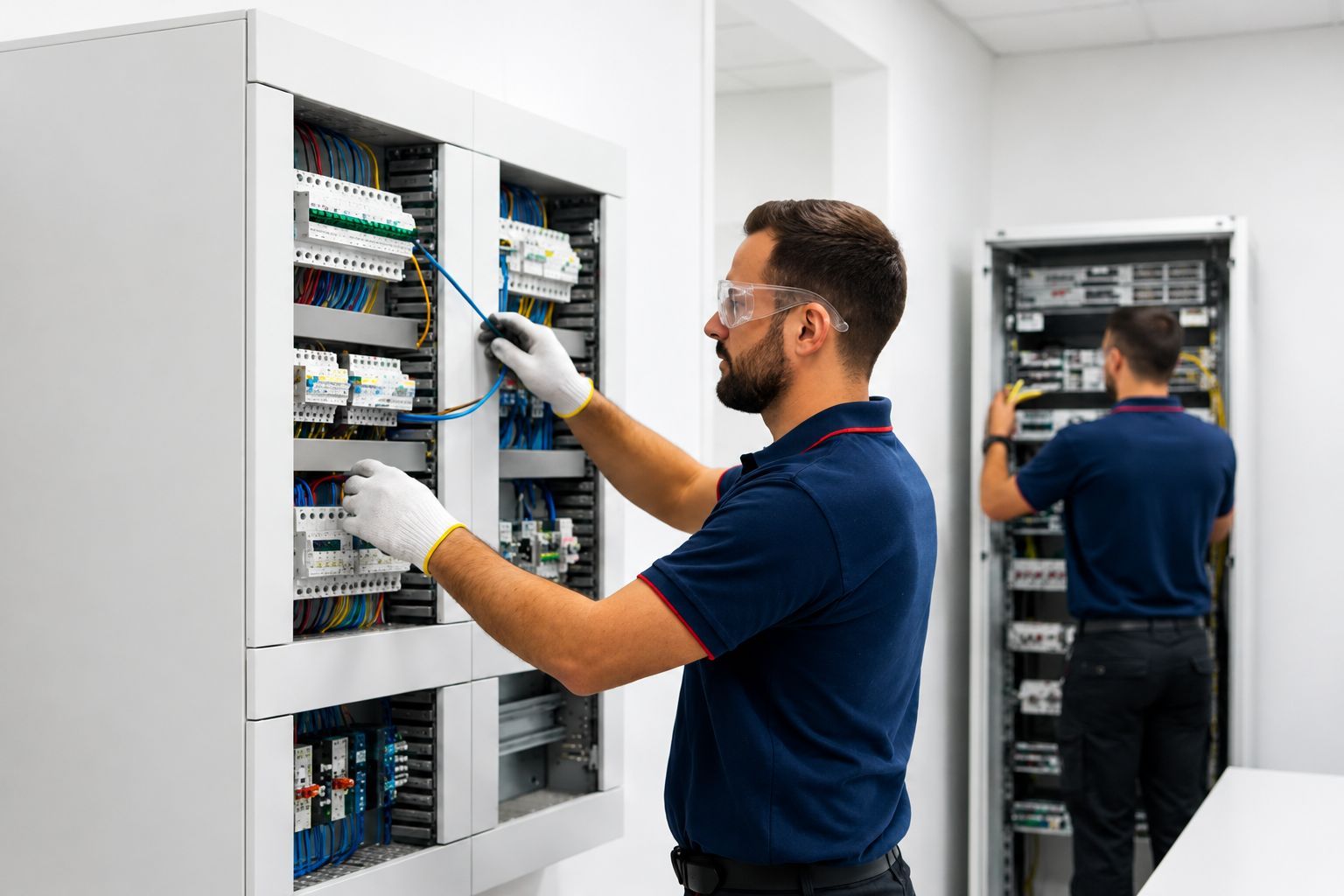

Signs Your Home Needs a Full Rewire | What to Look For in Older Fareham Properties
This is paragraph text. Click it or hit the Manage Text button to change the font, color, size, format, and more. To set up site-wide paragraph and title styles, go to Site Theme.

Older homes often have plenty of character, but hidden behind the walls there may be an electrical system that has seen better days. If your property has not had major electrical work carried out for several decades, it could be worth checking whether the wiring is still suitable for modern living.
Many homes around Fareham were built long before today's electrical demands. Families now rely on more appliances, smart technology, home offices and electric heating than ever before. An outdated electrical installation may struggle to cope, increasing the risk of faults and safety issues.
Knowing the warning signs can help you act before small problems become expensive or dangerous.
Why older properties often need rewiring
Electrical wiring does not last forever. Whilst a well-installed system can serve a property for many years, insulation, fittings and connections naturally deteriorate over time.
A full rewire may become necessary if your property:
- Is over 30 to 40 years old
- Still has its original wiring
- Has had several alterations completed over the years
- Uses an outdated consumer unit
- Has never been inspected by a qualified electrician
Even if everything appears to be working normally, hidden issues may exist behind walls, ceilings and floors.
For homeowners, arranging regular inspections through a trusted Domestic Electrical Services provider can help identify problems before they become serious.
How long does electrical wiring typically last?
The lifespan of electrical wiring depends on the materials used, the quality of the original installation, and how well the system has been maintained over the years. While modern PVC-insulated wiring can often last 40 years or more, older materials such as rubber or fabric-insulated cables deteriorate much faster.
Even if the wiring itself remains intact, other electrical components such as sockets, switches, junction boxes and consumer units can wear out or become outdated. As electrical regulations continue to evolve, an installation that was considered safe decades ago may no longer provide the level of protection expected today.
If your home has never undergone a comprehensive electrical inspection, arranging one can help determine whether your wiring is still in good condition or approaching the point where replacement should be considered.
Common signs your property may need a full rewire
Some warning signs are easy to spot, whilst others are less obvious.
| Sign | What it could mean |
|---|---|
| Flickering lights | Loose wiring or overloaded circuits |
| Frequent tripping | Electrical faults or overloaded consumer unit |
| Burning smell from sockets | Damaged wiring requiring urgent attention |
| Warm plug sockets | Poor electrical connections |
| Old-style fuse box | Outdated protection that may not meet current standards |
| Rubber or fabric insulated cables | Wiring likely reaching the end of its lifespan |
One issue alone does not always mean a full rewire is needed, but several together should never be ignored.
Important: If you notice burning smells, smoke, sparking sockets or exposed wiring, switch off the electricity if it is safe to do so and contact a qualified electrician immediately.
Your fuse board still uses old-style fuses
One of the biggest clues that a property has ageing electrics is an older fuse board.
Modern consumer units include safety devices such as RCDs that disconnect the power quickly if a fault occurs. Older fuse boards with rewireable fuses do not offer the same level of protection.
Replacing the consumer unit alone may not solve the problem if the existing wiring is also deteriorating.
Your sockets are limited or in awkward places
Many older Fareham homes were designed when households only needed a handful of sockets.
If you regularly rely on:
- Extension leads
- Multi-plug adaptors
- Trailing cables
- Temporary electrical solutions
your electrical system may no longer suit the way you use your home.
A rewire allows circuits to be redesigned around modern living whilst improving safety and convenience.
Lights dim when appliances are switched on
Do your lights flicker when the kettle boils or the washing machine starts?
This can indicate:
- Circuits under excessive load
- Poor electrical connections
- Ageing wiring
- An outdated electrical installation
Although not always dangerous on its own, it should be professionally investigated.
Modern households place greater demands on electrical systems
Many older homes in Fareham were built at a time when families owned only a handful of electrical appliances. Today, the average household may run multiple televisions, computers, gaming consoles, kitchen appliances, electric showers, home office equipment, EV chargers and smart home technology simultaneously.
Although your electrical system may appear to function normally, these additional demands can place continuous strain on ageing circuits that were never designed to support today's level of electricity usage.
Upgrading your wiring not only improves safety but also provides the capacity needed for future home improvements, helping to avoid overloaded circuits and nuisance tripping as your electrical requirements grow.
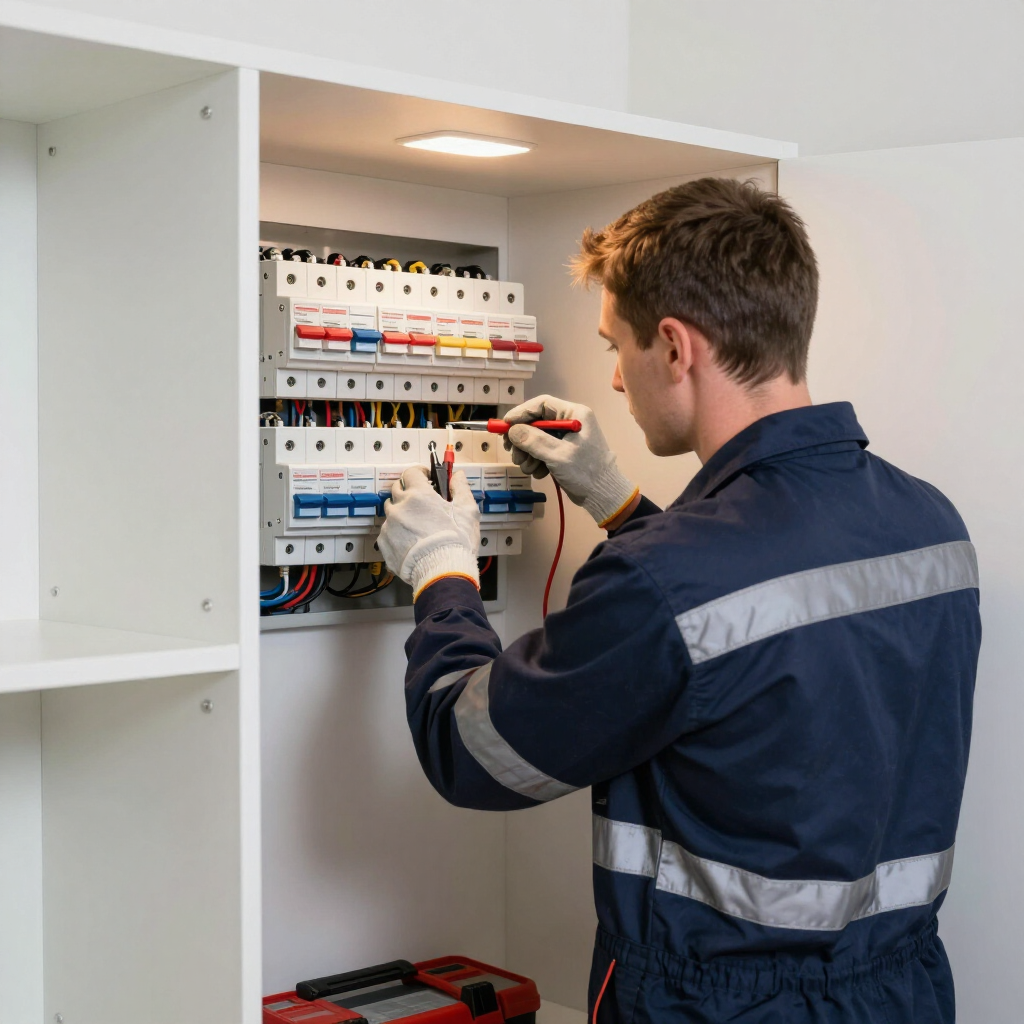
Has your property ever had an Electrical Installation Condition Report?
Many homeowners are unsure when their electrics were last inspected.
An Electrical Installation Condition Report (EICR) provides a detailed assessment of your property's electrical installation and identifies whether remedial work or a full rewire is recommended.
Rather than guessing, an inspection gives clear information about the condition of your electrical system.
Good to know: A full rewire is not always necessary. In many cases, only certain circuits or components require upgrading. An inspection helps determine the safest and most cost-effective solution.
Older wiring materials may no longer be suitable
Properties built many decades ago sometimes contain wiring materials that no longer meet current standards.
Examples include:
- Rubber insulated cables
- Fabric covered wiring
- Early PVC wiring that has become brittle
- Poor quality additions from previous DIY work
These materials naturally degrade over time, increasing the likelihood of faults.
A qualified electrician can identify the type of wiring without unnecessary disruption.
What happens during a full rewire?
Many people worry that rewiring means weeks of disruption.
Although every property is different, a typical full rewire usually includes:
- Removing old wiring where possible.
- Installing new cables throughout the property.
- Fitting modern sockets and switches.
- Installing a new consumer unit.
- Testing every circuit thoroughly.
- Providing certification confirming the installation complies with current regulations.
If renovations are already planned, this is often the most practical time to complete rewiring work.
How to prepare your home before a full rewire
A little preparation can make the rewiring process much smoother for both homeowners and electricians.
Before work begins, it's worth removing valuable items, clearing access to walls and sockets, and discussing any future electrical requirements with your electrician. This is an excellent opportunity to consider additional sockets, USB outlets, exterior lighting, security systems, or data cabling while new wiring is being installed.
If decorating or renovating is already planned, completing the electrical work first often reduces disruption and avoids unnecessary repair work later.
Planning ahead allows your new electrical installation to better suit your lifestyle for many years to come.
What about commercial properties?
Electrical systems in shops, offices and other commercial premises also age over time.
Older commercial buildings may experience:
- Increasing electrical faults
- Additional power demands
- Equipment upgrades
- Compliance requirements
Businesses can benefit from professional Commercial Electrical Services to keep their electrical installations safe, reliable and suitable for daily operations.
Choosing the right electrician
Electrical work should always be carried out by experienced professionals.
Before choosing an electrician, it is worth understanding what qualifications, experience and certifications to look for. This helpful guide on 7 Things to Check Before Hiring an Electrician explains exactly what to consider before making your decision.
Is a full rewire always the best solution?
Not every older property requires a complete rewire. In some cases, an electrician may recommend upgrading specific circuits, replacing a consumer unit, or carrying out targeted repairs where deterioration has been identified.
The most appropriate solution depends on several factors, including:
| Factor | Possible Recommendation |
|---|---|
| Age of wiring | Full rewire if significantly outdated |
| Overall condition | Partial upgrades if wiring remains safe |
| Consumer unit age | Replacement may be sufficient |
| Planned renovations | Full rewire often recommended |
| Results of an EICR | Based on identified defects |
A professional inspection provides the information needed to make an informed decision rather than replacing wiring unnecessarily.

Final thoughts
Older properties across Fareham offer plenty of charm, but ageing electrical systems should never be overlooked. Flickering lights, frequent tripping, outdated fuse boards and ageing wiring are all signs that your property may benefit from professional inspection.
Whether you own a family home or manage commercial premises, having your electrics assessed provides peace of mind and helps ensure your property remains safe for years to come.
If you are unsure about the condition of your electrical installation, the experienced team at
Danco Electrical Contractors can provide professional advice, carry out a thorough inspection and recommend the most suitable solution for your property.
Frequently Asked Questions
How often should a house be rewired?
There is no fixed schedule for rewiring a property because every electrical installation ages differently. However, many homes require significant electrical upgrades after around 30 to 40 years, particularly if they still contain original wiring. Regular Electrical Installation Condition Reports (EICRs) help determine whether your existing wiring remains safe or if replacement should be considered.
Can I live in my house during a full rewire?
In many situations, homeowners can remain in the property while rewiring is being completed, although this depends on the size of the home and the scope of work involved. Electricians may complete the project in stages to minimise disruption. For larger rewires or extensive renovations, some homeowners choose temporary accommodation for added convenience.
Does every old house need rewiring?
Not necessarily. Age alone does not automatically mean a property requires a full rewire. Some older homes have already been updated with modern wiring and consumer units, while others may only require partial improvements. A professional inspection is the safest way to determine the true condition of your electrical installation.
Will a full rewire increase my property's value?
Although a full rewire is primarily a safety improvement, it can make a property more attractive to buyers. Modern electrical systems provide reassurance that the home meets current standards, reduce the likelihood of future repair costs, and support modern appliances, smart home technology, and energy-efficient upgrades. Many buyers view an updated electrical installation as a valuable long-term investment.
Recent Posts